

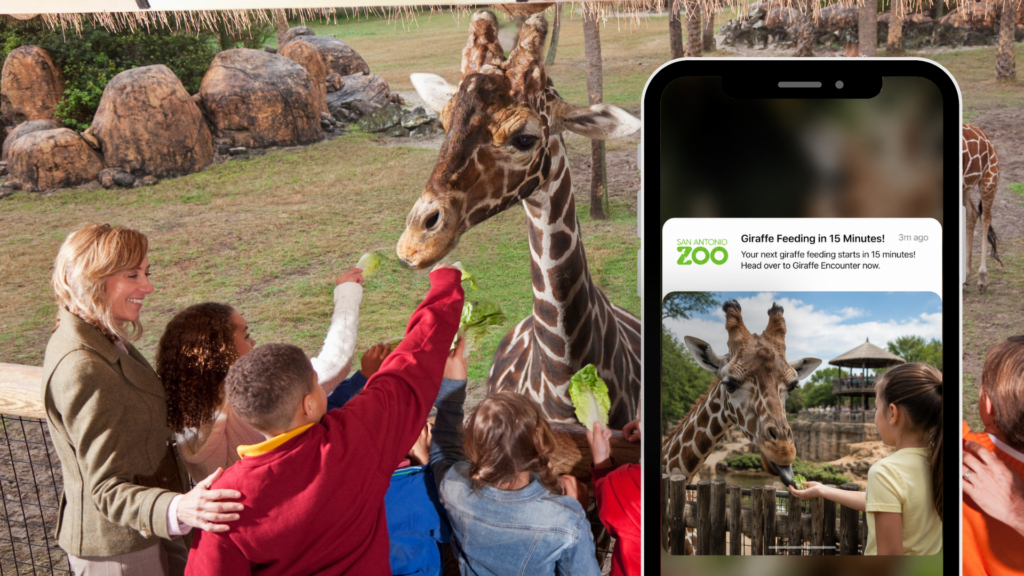
Guests don’t visit attractions to spend the day looking at their phones. They come to experience rides, share moments with family and friends, and make memories they’ll talk about long after they leave. That’s why the best push notifications don’t demand attention; they quietly enhance the experience by delivering the right information at the right moment.
For operators, that changes the role of push notifications entirely. Rather than serving as another marketing channel, they’re becoming a guest experience tool that reduces friction, provides timely guidance, and helps guests get more from every visit.
The Difference Between Helpful and Interruptive
Most of us have experienced notifications that feel intrusive, like a promotion that appears while we’re standing in line, or a discount arrives for something we’ve already purchased. They’re easy to ignore because they weren’t designed around what we were doing in that moment.
The best attractions take a different approach. Instead of asking, “What do we want to promote?” they ask, “What would be useful to this guest right now?” That simple shift changes everything. Imagine a family has booked an animal encounter for 2:00 p.m. A reminder 15 minutes beforehand helps ensure they arrive on time without constantly checking the schedule. It reduces stress for the guest while helping operators keep premium experiences running smoothly.
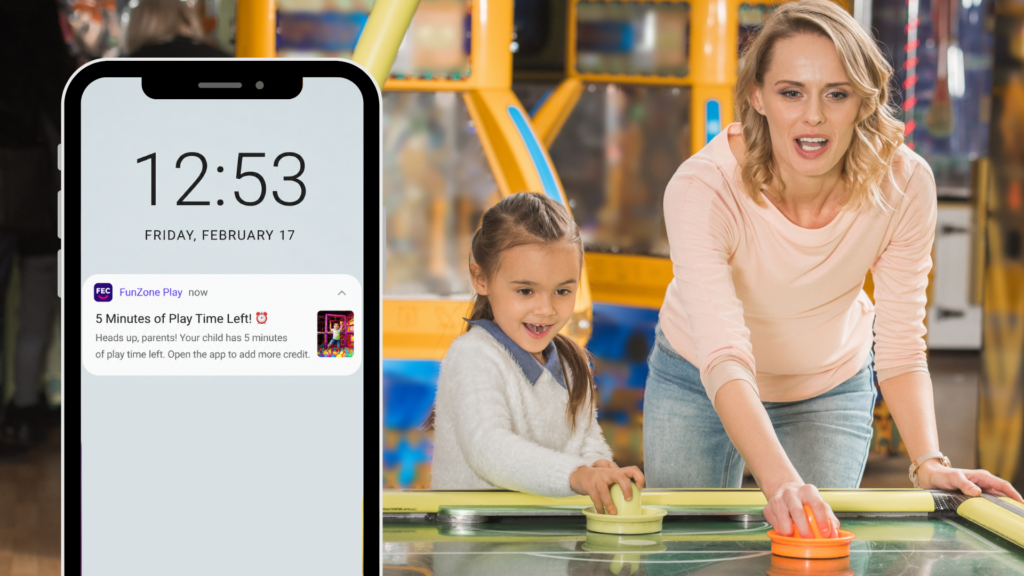
Or picture a guest who is visiting a family entertainment center. Instead of surprising families when their game card or timed play session expires, operators can send a reminder that there are 15 minutes of play remaining. That gives parents time to decide whether to extend their session, redeem remaining credits, or wrap up their visit without feeling rushed. It’s a simple notification that improves the guest experience while creating a natural opportunity for additional revenue.
Context Matters More Than Frequency
Sending more notifications doesn’t create a better guest experience, but sending the right notification at the right time does. The difference is context.
The most effective operators look beyond demographics and consider what’s happening during the visit. Where is the guest? What have they already experienced? What are they likely to enjoy next?
For example, imagine a family has spent most of the morning exploring one side of the park. Around lunchtime, the app could recommend a nearby restaurant instead of one that’s a 15-minute walk away. If that same family has young children, the recommendation might highlight a family-friendly dining location in air conditioning rather than a grab-and-go snack stand.
Even weather creates opportunities to improve the guest experience. On an especially hot day, a timely reminder about refill stations, shaded attractions, or water rides can help guests stay comfortable while balancing demand across the property. The goal isn’t to send more notifications; it’s to send fewer, more meaningful ones.
Personalization Goes Beyond Using a Guest’s Name
Personalization isn’t inserting someone’s first name into a notification. It’s understanding what makes their visit different from everyone else’s. A family visiting for the first time has very different needs than a season pass holder making their tenth visit this season.
The first-time visitor might appreciate reminders about upcoming shows, recommendations for nearby attractions, or suggestions for experiences they haven’t discovered yet. A season pass holder already knows where everything is. Instead, they may be more interested in exclusive member rewards, limited-time events, or new experiences they haven’t tried before.
The same applies across different guest groups.
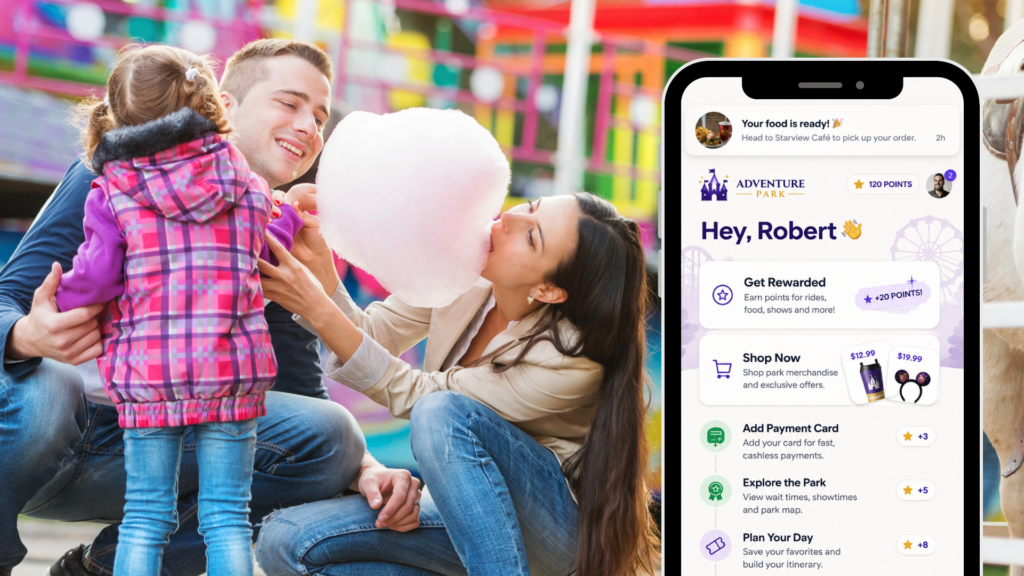
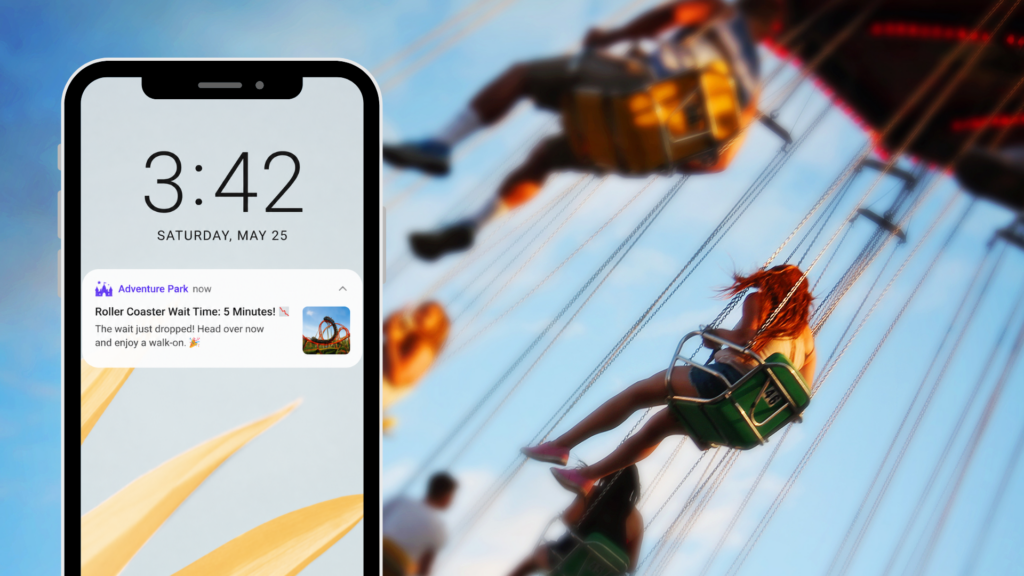
A family celebrating a birthday might receive reminders about their reserved party room, notifications when food is ready, or an opportunity to purchase photos from the day’s celebrations. A group of teenagers spending the afternoon chasing thrill rides doesn’t need reminders about children’s attractions; instead, they might appreciate updates when a nearby coaster’s wait time drops or a notification highlighting another high-thrill experience just a short walk away.
The more a venue understands what guests are doing, the less its notifications feel like marketing and the more they feel like helpful recommendations.
Technology That Supports the Experience
At Vantage, we believe technology should be built around the experience an attraction wants to create. Push notifications are one example of that philosophy in action. By connecting guest profiles with admissions, reservations, purchases, loyalty, location, and real-time operational information, operators can deliver communications that feel timely, relevant, and helpful. Instead of broadcasting the same message to every guest, attractions can provide the right information at the right moment, helping families navigate the day with greater ease while uncovering new experiences along the way.
The result is a guest experience that feels more personal, more connected, and more intuitive. And when notifications consistently help guests make the most of their visit, they stop feeling like marketing and start feeling like part of the experience itself.
Discover personalized push notifications in action at https://vantage.co/smartnotify-personalized-push-notification/

